
Sustainability in the automotive industry is often discussed through electric vehicles, hybrid technology, fuel efficiency and battery innovation. Those topics matter, but they are only part of the story. A greener automotive sector also depends on what happens inside workshops every day, including Australian panel shops, spray painters and automotive repair businesses.
Across Australia, repairers use a wide range of consumables to prepare vehicles for refinishing. Sanding discs, masking products, protective equipment and workshop supplies may seem small compared with engines and emissions, but they still affect waste, labour efficiency and the quality of the finished repair.
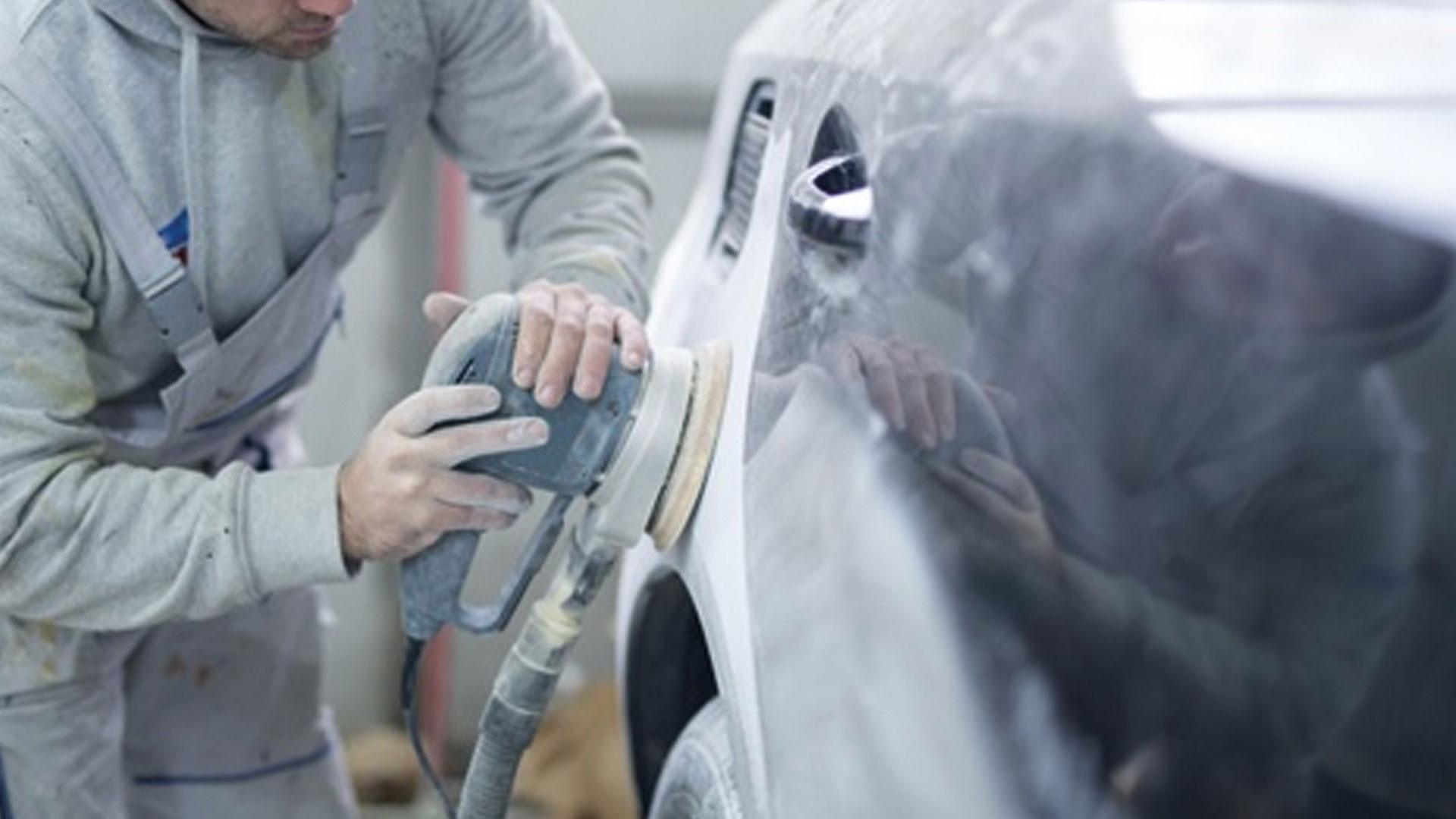
One area where Australian workshops can make a practical improvement is surface preparation. Sanding is a repeated process in automotive refinishing. It is used for body filler shaping, primer levelling, paint preparation and clear coat correction. When the sanding process is inefficient, the workshop often uses more discs, creates more dust, spends more time correcting scratches and produces more waste.
That is why many modern repairers are starting to think less about individual sanding discs and more about the complete sanding workflow. A well-planned automotive sanding system helps match the right abrasive, grit and backing setup to each stage of the repair. This can reduce unnecessary disc changes, improve consistency and help technicians avoid repeating work because the previous sanding stage was not right.
Dust control is another important part of this conversation. Automotive sanding produces fine particles from paint, primer, filler and other surface materials. Better extraction does not only make the workshop cleaner; it can also help discs last longer by reducing clogging. When dust stays between the abrasive and the surface, the disc can lose cutting performance more quickly. That usually means more pressure, more time and more discarded consumables.
For this reason, many professional users in Australia look closely at hole pattern and backing pad compatibility. Products such as 15-hole sanding discs are designed to support better dust extraction when used with the correct sander and pad setup. In a busy Australian body shop, that can make a noticeable difference to visibility, surface control and overall workflow.
The environmental benefit is not always dramatic in one single job. The real benefit comes from repetition. If a workshop can use fewer discs per repair, reduce rework, keep dust under better control and complete preparation more efficiently, those small gains add up over weeks and months.
There is also a business case. Labour is usually one of the biggest costs in automotive repair, especially for Australian trade businesses managing tight margins and high customer expectations. A cheap abrasive that wears out too quickly may cost less upfront, but it can create hidden costs through slower cutting, more disc changes and inconsistent results. A more durable sanding setup can sometimes reduce the cost per job, even if the individual disc price is higher.
Cleaner automotive work is not only about the vehicles on the road. It is also about the tools, materials and systems used to maintain and repair them. For panel shops and refinishing businesses across Australia, better sanding practices are a practical way to reduce waste, improve finish quality and support a more efficient workshop.
As the automotive industry continues to move toward greener standards, workshops should not overlook the small consumables that shape everyday repair outcomes. Better abrasives, better dust control and smarter sanding systems can all contribute to a cleaner, more professional repair process.